Best Cashback Credit Cards in the UK 2026 | Money-Saving Guide

Best Cashback Credit Cards in the UK 2026 | Money-Saving Guide

If you’re serious about stretching your family budget further, a cashback credit card could be a game-changer. Whether you’re paying for groceries, petrol, or online shopping, earning money back on everyday purchases is one of the simplest ways to boost your savings without changing your spending habits. But with dozens of options available, choosing the right cashback card requires careful consideration.

Let me walk you through the best cashback credit cards available in 2026 and help you find the one that works hardest for your wallet.

Why Cashback Credit Cards Make Financial Sense

Before diving into specific cards, let’s understand why cashback cards deserve a spot in your financial toolkit. Unlike traditional credit cards, cashback cards reward you for spending money you’d be spending anyway. You get a percentage of your purchases returned to your account, typically ranging from 0.5% to 5% depending on the card and spending category.

The key advantage is the passive income stream. Pay your card in full each month, and you’re essentially getting free money. For a family spending £3,000 monthly, even 1% cashback adds up to £30 per month – that’s £360 annually with zero additional effort.

However, cashback cards only work if you’re disciplined. If you carry a balance and pay interest, any cashback rewards become worthless. The interest charges will far exceed your earnings.

Top-Tier Cashback Cards for UK Spenders

Several cards dominate the 2026 cashback market, each with distinct advantages depending on your spending patterns.

Amex Blue Cash Card remains the gold standard for high-value cashback. This card offers 1% cashback on all purchases, with a boosted 1.5% for the first three months. No annual fee and no spending cap means unlimited earning potential. For families doing substantial monthly spending, the numbers add up quickly.

Sainsbury’s Nectar Card appeals to supermarket-focused savers. Earn points on your Sainsbury’s shop that convert to cashback or vouchers. The integration with their loyalty programme means double rewards when you’re shopping regularly.

Tesco Clubcard Credit Card operates similarly, rewarding Tesco shoppers with points and cashback opportunities. If your household already shops at Tesco for groceries and fuel, this card’s synergy with their Clubcard makes it particularly attractive.

Capital One Rewards Card offers straightforward 1% cashback on all UK spending with no annual fee. It’s a reliable workhorse card that doesn’t specialise in particular categories but rewards consistent spending across the board.

Specialist Cards for Specific Spending

Beyond general cashback, several cards excel in particular spending areas.

If your family spends heavily on petrol and groceries, look for cards offering enhanced cashback in these categories. Some offer 2-3% at supermarkets or petrol stations compared to standard 1% elsewhere. Calculate your annual spending in these categories – if you fill up weekly, even the difference between 1% and 3% represents meaningful savings.

Travel-focused cards offer cashback on flights and hotel bookings, valuable if you take annual holidays abroad. However, these typically come with annual fees, so ensure the rewards offset the cost.

Important Considerations Before Applying

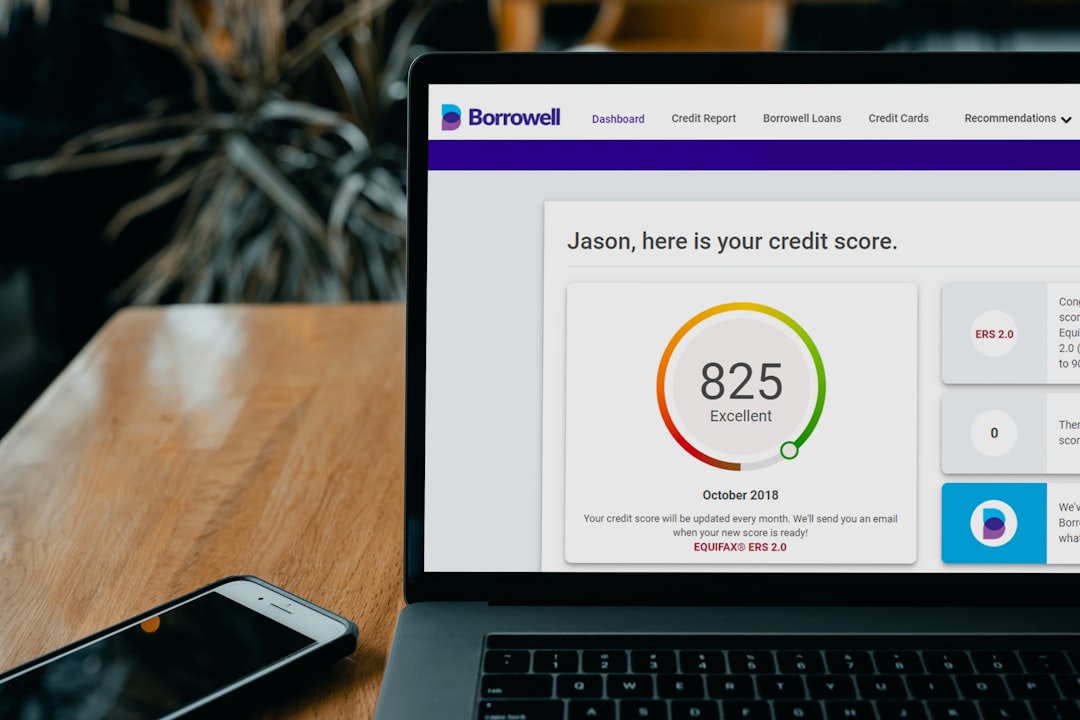
Your credit score matters significantly. Cashback cards typically require good to excellent credit. Multiple applications in short periods damage your credit file, so research thoroughly before applying. Check whether a card is likely to accept you using eligibility checkers – most providers offer these without affecting your credit score.

Annual fees vary considerably. Some cashback cards charge £25-50 yearly, which only makes sense if your cashback earnings exceed this amount. For example, a £30 annual fee requires £3,000 spending at 1% cashback just to break even. Many top cards charge nothing, so carefully evaluate whether fee-paying cards justify their cost.

Credit limits affect how much you can earn. If you’re paying for most household expenses on the card, you’ll want an adequate limit. Discuss available limits when applying – higher limits mean higher earning potential.

Maximising Your Cashback Earnings

Strategic planning amplifies your rewards. Pay all regular bills possible via your cashback card – council tax, insurance, utilities, everything. These aren’t discretionary spends, so you’re earning cashback on money leaving your account anyway.

Stack rewards where possible. Use supermarket loyalty schemes alongside your cashback card. Shop at Sainsbury’s or Tesco with their respective credit cards and earn both points and cashback.

However, never spend more simply to earn cashback. That defeats the purpose. Your spending pattern should remain unchanged; the card merely rewards what you’d spend regardless.

Pay your balance in full monthly without exception. Interest charges destroy cashback benefits entirely. If you can’t clear the balance monthly, a cashback card isn’t suitable for your situation.

Practical Implementation for Families

Many UK families use cashback cards strategically within their broader financial system. Designate specific household expenses for your cashback card – perhaps all groceries, fuel, and online shopping – then clear it monthly from your main account. This keeps spending organised whilst maximising rewards.

Track your earnings. Most card providers show cashback in your online portal. After three months, review your actual earnings versus projections. You might earn significantly more than expected or discover certain spending doesn’t provide returns.

Don’t neglect your emergency fund or savings targets whilst chasing cashback. These programmes work best alongside solid financial foundations, not instead of them.

Common Pitfalls to Avoid

Overspending to hit rewards tiers rarely makes financial sense. If a card offers 5% cashback up to £1,000 spending monthly, don’t artificially inflate purchases to reach this threshold unless you’d spend that anyway.

Forgetting to clear your balance monthly is catastrophic. One forgotten payment, and you’ll owe interest charges exceeding months of cashback rewards.

Applying for multiple cashback cards simultaneously damages your credit score and appears risky to lenders. Apply for one, wait three months, then reassess.

Your Next Steps

Start by reviewing your current spending. Where does your money go? Groceries? Petrol? Subscriptions? Match the cashback card offering highest rewards in your biggest spending category.

Check the eligibility criteria and use eligibility checkers. Apply for your chosen card, set a reminder to clear the balance monthly, and begin earning. You’ll be surprised how quickly cashback accumulates into meaningful savings for your family budget.

The best cashback card isn’t necessarily the one offering highest rates – it’s the one matching your actual spending habits with a fee structure you can justify. Start today, and you could save hundreds annually without any lifestyle changes.

Comments

Leave a Reply

Your email address will not be published. Required fields are marked *

Money Saving Tips

Best Cashback Credit Cards in the UK 2026 | Money-Saving Guide

If you’re serious about stretching your family budget further, a cashback credit card could be a game-changer. Whether you’re paying for groceries, petrol, or online shopping, earning money back on everyday purchases is one of the simplest ways to boost your savings without changing your spending habits. But with dozens of options available, choosing the right cashback card requires careful consideration.

Let me walk you through the best cashback credit cards available in 2026 and help you find the one that works hardest for your wallet.

Why Cashback Credit Cards Make Financial Sense

Before diving into specific cards, let’s understand why cashback cards deserve a spot in your financial toolkit. Unlike traditional credit cards, cashback cards reward you for spending money you’d be spending anyway. You get a percentage of your purchases returned to your account, typically ranging from 0.5% to 5% depending on the card and spending category.

The key advantage is the passive income stream. Pay your card in full each month, and you’re essentially getting free money. For a family spending £3,000 monthly, even 1% cashback adds up to £30 per month – that’s £360 annually with zero additional effort.

However, cashback cards only work if you’re disciplined. If you carry a balance and pay interest, any cashback rewards become worthless. The interest charges will far exceed your earnings.

Top-Tier Cashback Cards for UK Spenders

Several cards dominate the 2026 cashback market, each with distinct advantages depending on your spending patterns.

Amex Blue Cash Card remains the gold standard for high-value cashback. This card offers 1% cashback on all purchases, with a boosted 1.5% for the first three months. No annual fee and no spending cap means unlimited earning potential. For families doing substantial monthly spending, the numbers add up quickly.

Sainsbury’s Nectar Card appeals to supermarket-focused savers. Earn points on your Sainsbury’s shop that convert to cashback or vouchers. The integration with their loyalty programme means double rewards when you’re shopping regularly.

Tesco Clubcard Credit Card operates similarly, rewarding Tesco shoppers with points and cashback opportunities. If your household already shops at Tesco for groceries and fuel, this card’s synergy with their Clubcard makes it particularly attractive.

Capital One Rewards Card offers straightforward 1% cashback on all UK spending with no annual fee. It’s a reliable workhorse card that doesn’t specialise in particular categories but rewards consistent spending across the board.

Specialist Cards for Specific Spending

Beyond general cashback, several cards excel in particular spending areas.

If your family spends heavily on petrol and groceries, look for cards offering enhanced cashback in these categories. Some offer 2-3% at supermarkets or petrol stations compared to standard 1% elsewhere. Calculate your annual spending in these categories – if you fill up weekly, even the difference between 1% and 3% represents meaningful savings.

Travel-focused cards offer cashback on flights and hotel bookings, valuable if you take annual holidays abroad. However, these typically come with annual fees, so ensure the rewards offset the cost.

Important Considerations Before Applying

Your credit score matters significantly. Cashback cards typically require good to excellent credit. Multiple applications in short periods damage your credit file, so research thoroughly before applying. Check whether a card is likely to accept you using eligibility checkers – most providers offer these without affecting your credit score.

Annual fees vary considerably. Some cashback cards charge £25-50 yearly, which only makes sense if your cashback earnings exceed this amount. For example, a £30 annual fee requires £3,000 spending at 1% cashback just to break even. Many top cards charge nothing, so carefully evaluate whether fee-paying cards justify their cost.

Credit limits affect how much you can earn. If you’re paying for most household expenses on the card, you’ll want an adequate limit. Discuss available limits when applying – higher limits mean higher earning potential.

Maximising Your Cashback Earnings

Strategic planning amplifies your rewards. Pay all regular bills possible via your cashback card – council tax, insurance, utilities, everything. These aren’t discretionary spends, so you’re earning cashback on money leaving your account anyway.

Stack rewards where possible. Use supermarket loyalty schemes alongside your cashback card. Shop at Sainsbury’s or Tesco with their respective credit cards and earn both points and cashback.

However, never spend more simply to earn cashback. That defeats the purpose. Your spending pattern should remain unchanged; the card merely rewards what you’d spend regardless.

Pay your balance in full monthly without exception. Interest charges destroy cashback benefits entirely. If you can’t clear the balance monthly, a cashback card isn’t suitable for your situation.

Practical Implementation for Families

Many UK families use cashback cards strategically within their broader financial system. Designate specific household expenses for your cashback card – perhaps all groceries, fuel, and online shopping – then clear it monthly from your main account. This keeps spending organised whilst maximising rewards.

Track your earnings. Most card providers show cashback in your online portal. After three months, review your actual earnings versus projections. You might earn significantly more than expected or discover certain spending doesn’t provide returns.

Don’t neglect your emergency fund or savings targets whilst chasing cashback. These programmes work best alongside solid financial foundations, not instead of them.

Common Pitfalls to Avoid

Overspending to hit rewards tiers rarely makes financial sense. If a card offers 5% cashback up to £1,000 spending monthly, don’t artificially inflate purchases to reach this threshold unless you’d spend that anyway.

Forgetting to clear your balance monthly is catastrophic. One forgotten payment, and you’ll owe interest charges exceeding months of cashback rewards.

Applying for multiple cashback cards simultaneously damages your credit score and appears risky to lenders. Apply for one, wait three months, then reassess.

Your Next Steps

Start by reviewing your current spending. Where does your money go? Groceries? Petrol? Subscriptions? Match the cashback card offering highest rewards in your biggest spending category.

Check the eligibility criteria and use eligibility checkers. Apply for your chosen card, set a reminder to clear the balance monthly, and begin earning. You’ll be surprised how quickly cashback accumulates into meaningful savings for your family budget.

The best cashback card isn’t necessarily the one offering highest rates – it’s the one matching your actual spending habits with a fee structure you can justify. Start today, and you could save hundreds annually without any lifestyle changes.

Save on Your Household Bills

Join thousands of UK families already saving every month. Get free tips straight to your inbox.

Get Free Tips →