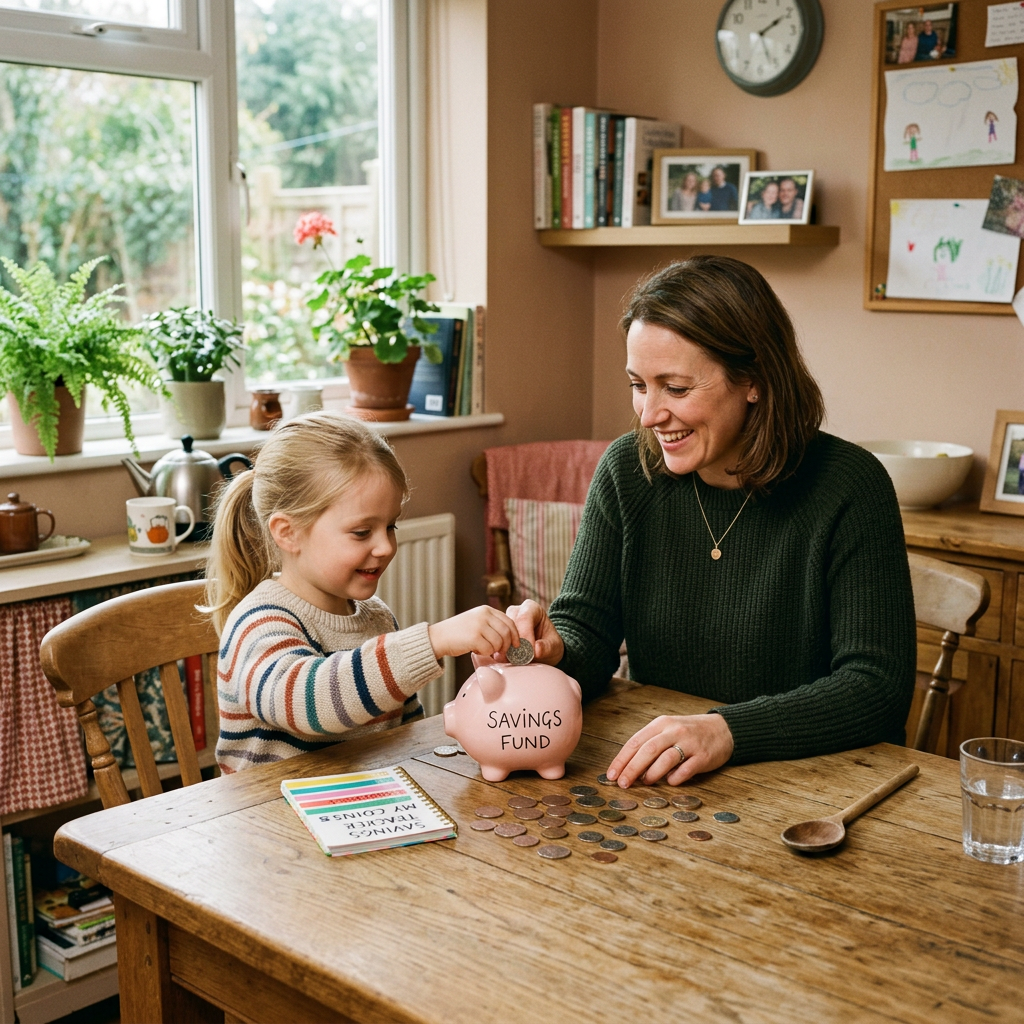
Why Money Education Starts at Home
Financial literacy remains patchy in most UK school curricula, which means the most important money lessons happen at home. Children who grow up understanding how money works — how to earn it, save it, and spend it wisely — start adult life with a genuine advantage. And the good news is you do not need to be a financial expert to teach these lessons.
Start With Needs vs Wants
The foundation of sensible money management is understanding the difference between needs (things we must have) and wants (things we would like). When shopping, try asking your child: is this a need or a want? Over time, this simple habit builds the framework for all future spending decisions. If you want to more family money saving tips, it only takes a few minutes.
Pocket Money: Their First Payslip
Regular pocket money — even a small amount — gives children real experience of budgeting a limited resource, making choices, and saving towards goals. A widely used rule of thumb is £1 per year of age per week, but even 50p a week for a young child is enough to start the lessons. Regularity matters more than amount.
The Three Jars Method
Label three jars as Spend, Save, and Give. When pocket money arrives, divide it between them — 70/20/10 or 60/30/10 both work well. This teaches budgeting, delayed gratification, and generosity in a way children can see and touch. You can also cut your household bills to see what’s available.
Savings Goals: The Power of Delayed Gratification
Help your child save towards something they genuinely want. A visual chart showing progress towards the goal keeps motivation high. Consider matching their savings pound-for-pound for bigger targets — this introduces compound benefits and makes the goal feel achievable faster.
Open a Children’s Savings Account
Opening a savings account — many UK banks offer good rates for under-16s — introduces the idea that money can grow while it sits still. Halifax Kids’ Saver, Nationwide FlexOne, and Barclays Children’s Savings are all worth looking at. Even small amounts of interest generate useful conversations.
Lessons for Older Children
- Give them a budget to manage: A monthly clothing or entertainment budget that they control entirely — running out is a lesson in itself.
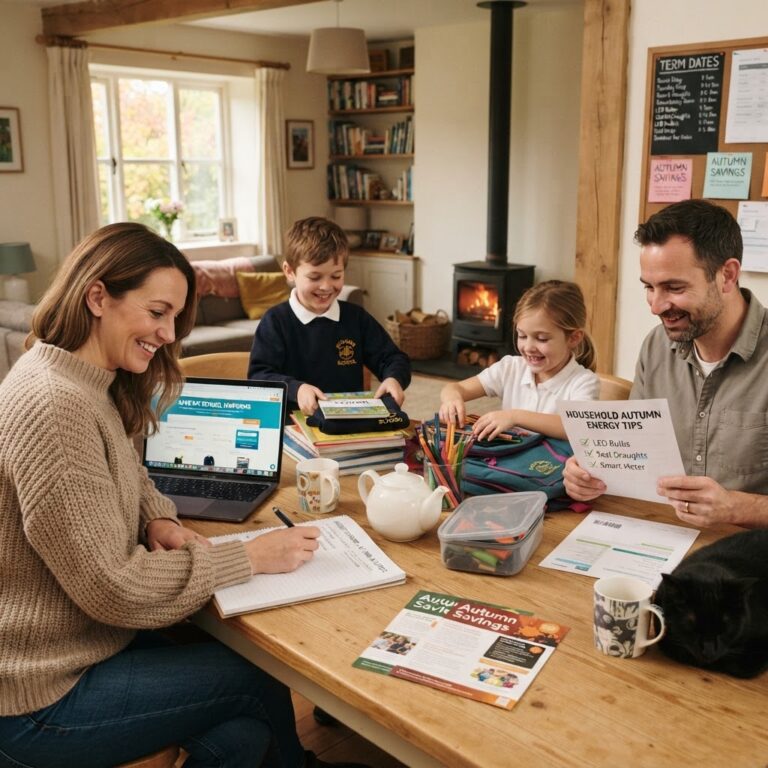
- Show them the household bills: Seeing what the family spends on food, energy, and subscriptions each month is eye-opening and motivating.
- Introduce investing concepts: Simple explanations of compound growth over time plant seeds that can lead to excellent financial decisions in their twenties.
Model the Behaviour You Want to See
Children learn most powerfully by watching adults. Talking openly about money decisions, demonstrating comparison shopping, and showing that you save before you spend are all lessons that land far more effectively than any explanation. The goal is confident children who understand money — not anxious ones who worry about it.


Leave a Reply