
Understanding Why We Impulse Spend
Impulse spending affects millions of UK households, costing families thousands of pounds annually on items they didn’t plan to purchase. Whether it’s a quick online purchase, grabbing items at the supermarket till, or scrolling through social media at midnight, impulse spending quietly erodes our budgets and undermines our financial goals.
Understanding the psychology behind impulse spending is the first step to stopping it. We often spend impulsively when we’re stressed, bored, tired, or seeking a quick dopamine hit. For many families juggling work, childcare, and bills, impulse spending offers a momentary escape from financial pressure. Recognising these triggers is crucial to developing lasting change.
Create a Detailed Budget You Actually Follow
The foundation of controlling impulse spending is knowing exactly where your money goes. Start by tracking every expense for one month—yes, everything. Use apps like Emma or Money Dashboard to connect your bank accounts and see your spending patterns clearly.
Once you understand your spending, create a realistic budget that includes a “discretionary” category. This isn’t deprivation; it’s giving yourself permission to spend a set amount guilt-free. Many UK families find that having £50-100 monthly discretionary spending actually reduces impulse purchases because they know they have a buffer.
Crucially, build in your regular commitments: mortgage or rent, council tax, Ofgem-estimated energy bills, insurance, and groceries. Only then allocate money to savings and leisure. Apps like Emma and Money Dashboard make this simpler than spreadsheets, and you can set spending alerts that notify you when you’re approaching your limit.
Implement the 30-Day Rule
When you spot something you want to buy—whether online or in-store—don’t purchase it immediately. Instead, add it to a wishlist and wait 30 days. Write down the item, price, and date you added it.
This simple delay works because the impulse fades. Often, you’ll forget about the item entirely, proving it wasn’t a genuine need. If after 30 days you still want it, fine—buy it consciously. But you’ll find most impulses disappear within a week.
For online shopping, delete the item from your basket when you close the browser. Don’t save payment details on your favourite websites. These small friction points interrupt the impulse-to-purchase pipeline and give your rational brain time to catch up with your emotional brain.
Go Cash-Only for Discretionary Spending
There’s psychological magic in handing over physical notes. A study by Duke University found people spend significantly less when paying with cash because the loss feels more real and immediate.
Try withdrawing your weekly or monthly discretionary allowance as cash. Once it’s gone, it’s gone. No “just one more thing” purchases. This old-fashioned approach works remarkably well, especially for families with teenage children who need to learn money management skills.
Keep credit cards and debit cards at home when you go shopping. Use cash only for non-essentials. This prevents those “while I’m here” purchases at the till.
Unsubscribe from Marketing Emails and Disable Notifications
Retailers deliberately engineer urgency through marketing. Flash sales, “limited time offers,” and personalised emails create artificial pressure to buy now.
Unsubscribe from every marketing email you receive. Yes, all of them. You’ll survive without knowing about Argos’s clearance sale or the “exclusive offer” that everyone else receives too. Disable push notifications from shopping apps. Turn off app notifications that say “your saved items are about to sell out.”
Crucially, curate your social media feeds. Unfollow influencers who constantly promote products. You’re not being antisocial; you’re protecting your wallet. Research from the University of Chicago found that social media exposure to luxury goods significantly increases impulse spending, particularly among younger adults and teenagers.
Address Emotional Spending Patterns
If you’re impulse spending when stressed, bored, or upset, you need alternative coping mechanisms. This isn’t a money problem; it’s an emotional regulation problem.
When you feel the urge to spend impulsively, pause and ask: “Am I hungry, angry, lonely, or tired?” If the answer is yes to any, address that need directly. Make a cup of tea, ring a friend, take a walk, or have an early night. Don’t shop.
Redirect the dopamine hit elsewhere. Exercise, hobbies, time with family, or even organising your home can provide satisfaction without the financial hangover. Many families find that committing to one hobby—gardening, cooking, crafts—significantly reduces impulse spending because they’re getting their emotional needs met elsewhere.
Automate Your Savings
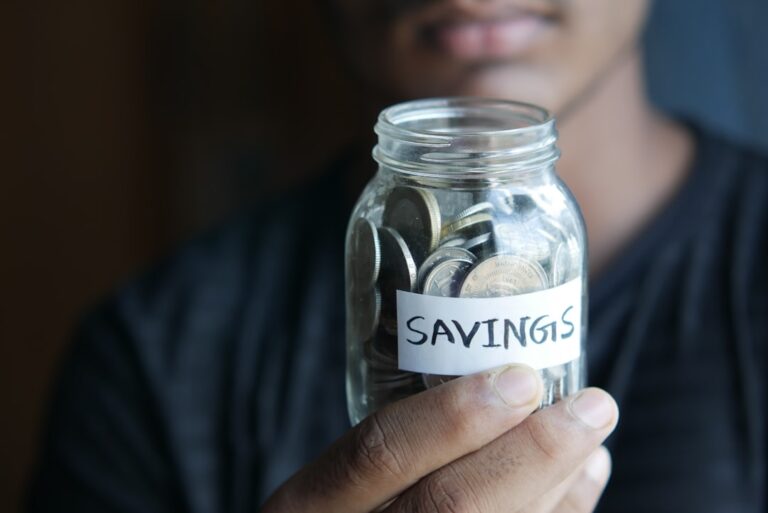
Make saving automatic and impulse spending harder. Set up a standing order to move money to a separate savings account the day you receive your salary. If the money isn’t sitting in your current account tempting you, you can’t spend it impulsively.
Even £50 monthly adds up to £600 yearly. Start small and increase gradually. Building this habit creates a psychological shift—you start seeing yourself as “a saver” rather than “a spender,” and identity shapes behaviour.
Use a Second Opinion System
Before any non-essential purchase over £50, discuss it with your partner or a trusted friend. Explain why you want to buy it. Saying your reasoning aloud often reveals whether it’s genuine need or impulse. A trusted friend’s gentle “Do you really need that?” can be invaluable.
For online shopping, add an extra step: take a screenshot of the item, send it to your partner, and wait for their response before completing the purchase. This forced pause works.
Track Your Progress and Celebrate Wins
Keep records of impulse purchases you’ve successfully avoided. Seeing that you walked past your usual shopping trigger without buying anything builds confidence and momentum. Celebrate small wins—a month without impulse spending is worth a planned treat that genuinely fits your budget.
Your Next Step
Start today by choosing just one strategy from this article—perhaps the 30-day rule or unsubscribing from marketing emails. Don’t try everything simultaneously; that overwhelms and fails. Master one habit, then add another. Within three months of consistent practice, you’ll notice your spending habits have fundamentally shifted, your bank balance has improved, and your relationship with money feels healthier. Your future self will thank you for the financial freedom you’re building today.





Leave a Reply